
Seasonal Travel Healthcare Packing Guide

How Travel Clinicians Can Prepare for Fall and Winter Assignments
For travel nurses, allied health professionals, and other healthcare travelers, a new assignment often means more than a new facility or schedule. It can also mean a major seasonal shift. One month you may be packing for warm, humid afternoons in the South, and the next you may be preparing for frosty mornings, icy sidewalks, and shorter daylight hours in a colder region.
That flexibility is part of what makes travel healthcare so rewarding. At Malone Healthcare, we know every assignment is more than a contract. It is a new team, a new community, and a new opportunity to grow your career while experiencing a different part of the country.
Still, moving from summer into fall or winter takes planning. The right preparation can help you arrive safely, settle in quickly, and stay focused on what matters most: providing excellent care while making the most of your next destination. Use this seasonal travel healthcare packing guide to prepare your clothing, car, housing setup, and personal routine before your next assignment.
1. Start with the Climate, Not the Calendar
Fall weather can look completely different depending on where your assignment takes you. A September contract in Arizona may still feel like summer, while an October assignment in Minnesota may already require winter layers. Before you pack, check the average temperatures, precipitation, humidity, and commute conditions for your destination.
Travel healthcare professionals should also think beyond off-duty time. Consider early-morning drives, late-night shift changes, parking lot conditions, and whether your housing is within walking distance of the facility. Packing for real-life routines will help you avoid overpacking while still being ready for weather changes.
- Research the destination: Look up typical daily highs and lows, rainfall, snow risk, and wind chill before you decide what to bring.
- Plan for commute conditions: If you will drive in rain, snow, or darkness, prioritize weather-ready shoes, outerwear, and vehicle supplies.
- Pack for shifts and downtime: Include comfortable clinical footwear, warm layers for breaks, and casual clothing for exploring your new city.
- Leave room for local purchases: If you are unsure what you will need, pack the essentials and buy specialty items once you arrive.

2. Build a Layered Wardrobe for Changing Weather
Layering is one of the most effective packing strategies for travel nurses and allied health professionals moving between climates. Instead of relying on one bulky coat or a suitcase full of single-use items, choose pieces that can be mixed, matched, and adjusted throughout the day.
- Base layers: Pack breathable, moisture-wicking tops and leggings that can fit under scrubs, jeans, or casual clothing.
- Mid-layers: Bring fleece jackets, lightweight sweaters, or zip-up pullovers that provide warmth without taking up too much space.
- Outer layers: Choose a water-resistant or insulated jacket if your assignment is in a cooler, wetter, or snow-prone area.
- Accessories: Gloves, a warm hat, wool socks, and a scarf can make a big difference without taking much room in your bag.
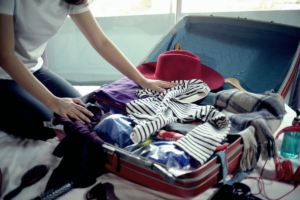
If your assignment is in a warmer climate, layering still matters. Hospitals and clinical settings can be cool indoors, while outdoor temperatures may stay high. Lightweight cardigans, breathable fabrics, and versatile pieces can help you stay comfortable in both settings.
3. Choose Footwear That Works On and Off Shift
Footwear can make or break a travel assignment, especially when seasonal weather affects your commute. Bring reliable clinical shoes for long shifts, but do not overlook what you will wear before and after work.
- For colder destinations: Pack waterproof shoes or boots with good traction for icy sidewalks, wet parking lots, and snowy walkways.
- For rainy climates: Consider water-resistant footwear and extra socks so you are not starting a shift uncomfortable.
- For warmer regions: Choose breathable casual shoes for errands and off-day activities.
- For all assignments: Keep your work shoes separate from outdoor shoes to help maintain cleanliness and comfort.
A small shoe bag or washable tote can help keep wet or dirty footwear from touching scrubs, bedding, or clean clothes while you are traveling between assignments.
4. Pack Smarter with a Travel Healthcare Capsule Wardrobe
A capsule wardrobe helps healthcare travelers reduce packing stress without feeling limited. Focus on neutral colors, repeatable outfits, and clothing that works for multiple situations: errands, casual dinners, facility orientation, and weekend exploring.
- Choose repeatable basics: Pack tops, pants, and layers that can be worn in several combinations.
- Limit bulky items: Use vacuum-sealed storage bags for coats, blankets, or sweaters that take up valuable space.
- Separate work and personal items: Keep scrubs, badges, and clinical essentials in one area so they are easy to access when you arrive.
- Use packing cubes: Organize by category so you can unpack quickly in temporary housing.
For a 13-week assignment, aim for enough clothing to comfortably get through a normal laundry cycle, not enough clothing for every possible scenario. This keeps your load lighter and makes future assignment transitions easier.
5. Prepare Your Vehicle Before a Seasonal Road Trip
If you are driving to your next travel healthcare assignment, a seasonal vehicle check is essential. Cooler weather, longer drives, and unfamiliar roads can all affect safety and comfort. Before you leave, schedule basic maintenance and make sure your car is ready for the route ahead.

- Check tire pressure and tread: Temperature changes can affect tire pressure, and good tread matters in rain, snow, or icy conditions.
- Top off fluids: Confirm oil, coolant, brake fluid, and windshield washer fluid are ready for the season.
- Test heat and defrost: If you are heading into colder weather, make sure your heater, defroster, and windshield wipers work well.
- Inspect your battery: Cold weather can be hard on batteries, especially during long-distance travel.
- Update navigation: Download maps or directions in case your route includes areas with limited cell service.
It is also wise to share your route and estimated arrival time with someone you trust. For long moves, build in rest stops and avoid pushing through fatigue after a shift or during poor weather.
6. Create a Seasonal Emergency Kit
A seasonal emergency kit can provide peace of mind during assignment moves and daily commutes. Your kit should reflect the climate you are entering, but every healthcare traveler can benefit from a few core items.
- Portable phone charger or power bank
- Flashlight and extra batteries
- First-aid basics
- Water and shelf-stable snacks
- Blanket or extra warm layer
- Ice scraper and small shovel for cold-weather destinations
- Rain poncho or compact umbrella for wet climates
- Printed copies of important contacts, housing details, and assignment information
Keep the items accessible rather than buried under luggage. If you need something quickly during a roadside delay, you do not want to unload your entire vehicle to find it.
7. Set Up Temporary Housing for Rest and Recovery

Your living space plays a major role in how well you recover between shifts. Once you arrive, take time to make your housing comfortable for the season. Small changes can improve sleep, hydration, and overall well-being during your assignment.
- For colder climates: Bring or buy warm bedding, cozy socks, and a small humidifier if indoor air feels dry.
- For warmer climates: Choose lightweight bedding, breathable sleepwear, and a reusable water bottle to support hydration.
- For rotating shifts: Pack an eye mask, white-noise option, and blackout curtains or clips if you are sensitive to daylight.
- For stress reduction: Bring one or two familiar items, such as a favorite blanket, framed photo, or candle alternative, to make temporary housing feel more settled.
When your environment supports quality rest, it becomes easier to adjust to new routines, new teams, and new patient-care settings.
8. Protect Your Health During a Climate Transition
Seasonal moves can affect your body quickly. Dry air, colder temperatures, increased indoor heating, or sudden heat and humidity can all change how you feel during and after shifts. Pack personal-care items that help you maintain your routine.
- Moisturizer, lip balm, and sunscreen
- Reusable water bottle
- Basic over-the-counter comfort items you regularly use
- Seasonal allergy supplies, if needed
- Comfortable layers for breaks, errands, and off-day recovery
Travel healthcare can be rewarding and exciting, but transitions are still transitions. Give yourself time to adjust, and do not wait until you are uncomfortable to make small changes to your routine.
9. Learn the Local Area Before Your First Shift
Getting familiar with your new location before day one can reduce stress. Locate the facility, employee parking, nearby grocery stores, pharmacies, fuel stations, urgent care locations, and safe routes from your housing. If bad weather is possible, identify an alternate route before you need it.
Then, make time to enjoy the destination. Visit local coffee shops, explore parks or seasonal events, and ask coworkers for recommendations. One of the best parts of travel healthcare is the opportunity to experience new communities while growing your career.
Why Travel Healthcare Professionals Choose Malone Healthcare
At Malone Healthcare, we are here to help healthcare professionals feel supported before, during, and after each assignment. Our team connects clinicians with opportunities across travel nursing, allied health, long-term care, and other healthcare settings, with recruiter support designed to make each transition feel easier.
Whether you are heading to a familiar region or preparing for a completely new climate, Malone Healthcare can help you take the next step with confidence.
Ready to explore your next travel healthcare opportunity? Connect with a Malone Healthcare recruiter today and start planning your next assignment with confidence.
Frequently Asked Questions
What should travel nurses pack for a fall or winter assignment?
Travel nurses should pack layered clothing, reliable clinical shoes, weather-ready outerwear, personal-care items, and any documents or assignment essentials they need for onboarding. If the assignment involves cold weather, add gloves, warm socks, a coat, and waterproof footwear.
How can healthcare travelers avoid overpacking?
Use a capsule wardrobe, packing cubes, and vacuum-sealed bags for bulky items. Focus on versatile clothing that can be worn in multiple settings, and leave room to purchase climate-specific items after arrival.
What should be in a travel healthcare emergency car kit?
A practical emergency car kit includes a phone charger, flashlight, water, snacks, blanket, first-aid basics, printed contact information, and season-specific supplies such as an ice scraper, rain gear, or extra warm layers.
How early should clinicians prepare for a seasonal travel assignment?
Start preparing as soon as you confirm the assignment location. Checking the climate, commute, housing setup, and vehicle needs early gives you time to pack intentionally and avoid last-minute stress.